
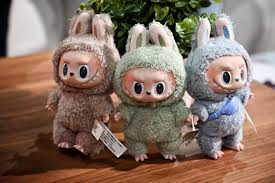
“Sometimes the most powerful consumer phenomena emerge from the simplest concepts that everyone else overlooked. And Labubu success and virality is a great example. “

In 2024, while marketers obsessed over AI targeting and attribution models, one of the world’s biggest consumer crazes emerged from a concept so simple it sounds almost quaint: put toys in unmarked boxes so buyers don’t know what they’re getting. The blind box model helped transform Labubu from a niche collectible into part of a franchise that generated $419 million in sales for Pop Mart.
The story reveals something marketers often miss: the most overlooked opportunities might be hiding in mechanisms that seem too basic to matter.
The Magic Was Always in the Mystery
When Blackpink’s Lisa first encountered Pop Mart’s blind box toys, she was drawn to both the characters and the purchasing experience itself. The uncertainty of not knowing which specific design you’d receive became part of the appeal, transforming routine purchasing into an event worth documenting and sharing. The blind box transformed purchasing from a rational decision into an emotional event. Videos of people anxiously unboxing their purchases, sometimes erupting in joy and sometimes in disappointment, became content that millions wanted to watch. The product became secondary to the experience of discovery.
Lesson: This wasn’t just sophisticated behavioral psychology but a toy company taking the simple concept behind baseball card packs and applying it to designer collectibles. The concept of ‘hiding what you’re buying until you buy it’ created an experience that felt fresh in a world of perfect product photography, elaborate packaging and detailed specifications.
When “Flaws” Become Features
Labubu’s aesthetic shouldn’t work according to conventional wisdom. Focus groups would likely recommend softening the sharp teeth, making the proportions more balanced, or creating more conventionally appealing expressions. Yet according to social listening analysis by Meltwater, from January to May 2025, there were about 19,800 mentions of “cute” in Labubu discussions compared to about 4,000 mentions of “ugly”—despite “ugly-cute” being the toy’s defining characteristic.
The deliberately imperfect design gave the toys personality in ways that polished alternatives couldn’t match. Each Labubu’s slightly mischievous expression suggested a character with actual thoughts and moods, rather than blank perfection designed to offend no one.
Lesson: This points to something simple that many brands miss: distinctiveness often matters more than broad appeal. A character that 100% of people find “nice” will create less passionate attachment than one that 60% of people find irresistible, even if 40% find it off-putting. Flaws made Labubu more humane and relatable.
The Scarcity That Actually Worked
Pop Mart’s distribution strategy included weekly restocks that sell out in seconds to create genuine scarcity rather than artificial limitation. The company wasn’t restricting supply to inflate prices; they were struggling to meet explosive demand. The enthusiasm became so intense that Pop Mart suspended sales in UK stores, citing the need to prevent safety issues.
This distinction matters enormously. Consumers can sense the difference between manufactured scarcity (limited editions created solely for exclusivity) and organic scarcity (limited availability due to genuine overwhelming demand). The latter creates community among buyers; the former often creates resentment.
Lesson: It was not just FOMO. The lesson isn’t that scarcity creates value, but that when genuine enthusiasm meets limited availability, the combination amplifies itself. Social media documentation of the purchasing experience didn’t create demand for rare items, it revealed demand that already existed but hadn’t been visible.
Adult Collectors in Hiding
Perhaps the most surprising element of Labubu’s success was discovering how many adults wanted toys for themselves, not their children. According to market research firm Circana, adult shoppers drove more than $800 million in year-over-year growth in the U.S. toy market in 2024, with adults accounting for the highest spending among all age groups.
This market was hiding in plain sight. The “kidult” phenomenon wasn’t new—adults had been buying toys for themselves for years, but often disguised as gifts or rationalized as investments. Labubu gave people permission to openly enjoy something purely because it brought them joy.
Lesson: Traditional category definitions often obscure real consumer behavior. Adults weren’t shopping in toy stores because toy stores weren’t designed for adults. Pop Mart created retail environments that felt more like galleries than children’s stores, allowing adults to engage with products they’d wanted all along.
The Luxury Handbag Test
When celebrities like Rihanna appeared with Labubu charms on luxury handbags, it created a fascinating cultural moment: a $25 toy enhancing the status of expensive accessories. This wasn’t about the toy borrowing prestige from the bag—it was about cultural relevance transcending price points.
The charm worked because it signaled cultural awareness and participation in a moment. According to Vogue Business, Labubus became the #1 collectibles release ever on resale platform StockX, with an average resale price of $208—a 24% premium over retail. Carrying the right Labubu at the right time became a form of social currency that had nothing to do with spending power and everything to do with cultural timing.
Lesson: This suggests something marketers often miss. In a world where everyone has access to the same luxury goods through credit and resale markets, true status increasingly comes from knowing what matters right now. Cultural fluency beats financial flex.
Simple Ideas, Complex Emotions
The Labubu phenomenon succeeded because it combined several simple concepts addressing real psychological needs. The blind box satisfied curiosity and gave purchasing a narrative structure. The “ugly-cute” aesthetic provided permission to embrace imperfection. Each Labubu had a story and emotion which connected it to customer.
None of these concepts required breakthrough technology or revolutionary insights. They were all adaptations of existing ideas applied in a fresh context. The innovation was in the combination, not the individual elements.
Lesson: The blind box model had existed for decades in different forms—baseball cards, arcade prize games, even Cracker Jack boxes. Pop Mart’s insight was recognizing that the mechanism itself had untapped potential when applied to designer collectibles for adults, but ones which had a story behind them.
What Everyone Else Missed
The Labubu success story isn’t about predicting viral phenomena or manufacturing desire from nothing. It’s about recognizing that simple mechanisms—mystery purchasing, imperfect design, genuine scarcity, stories that connect, adult playfulness— can have outsized impact when they address unmet emotional needs.
Most brands focus on optimizing what they’re already doing rather than questioning whether they’re doing the right things at all. They improve targeting algorithms instead of asking whether their basic value proposition resonates. They refine customer journeys instead of wondering whether customers want to take those journeys.
Labubu succeeded because it made purchasing emotionally interesting again. The blind box turned buying into playing. The distinctive design turned displaying into expressing personality. The community aspect turned collecting into belonging. These aren’t complex insights requiring extensive research. They’re simple ideas that were sitting there waiting for someone to notice their potential. The hardest part wasn’t execution—it was recognizing that something so basic could matter so much.
*Picture Couresy: Unsplash Images
Published with MediaNews4U
https://www.medianews4u.com/the-labubu-effect-how-an-ugly-cute-toy-beat-the-algorithms/
 Branding with Ashita